

Childhood trauma therapy in Denver
Support for old wounds, attachment patterns, and childhood experiences that still shape adult life.
Childhood trauma can affect trust, boundaries, self-worth, relationships, nervous system responses, and the way you care for yourself long after childhood ends. Therapy can help you understand these patterns with compassion and begin building more choice in the present.
Childhood trauma therapy may help when you are navigating:
- Emotional neglect, invalidation, criticism, or family instability
- Attachment wounds, trust concerns, boundaries, or people-pleasing
- Shame, self-blame, anxiety, grief, or protective shutdown
- Relationship patterns that feel old, familiar, or hard to shift
Childhood trauma support
Understanding the younger parts of you that had to adapt.
Childhood trauma is not always one obvious event. It can include chronic criticism, emotional neglect, instability, bullying, parentification, family conflict, rejection, loss, abuse, or growing up without the safety and support you needed.
As an adult, those experiences may show up as anxiety, perfectionism, people-pleasing, shame, relationship patterns, fear of conflict, difficulty trusting, emotional overwhelm, or feeling disconnected from your own needs.
Therapy can help you understand what you learned to do to survive, and gently build new ways of relating to yourself and others.
Common reasons people seek childhood trauma therapy
Old adaptations can keep working long after they stop helping.
People often begin therapy when childhood patterns are affecting adult relationships, self-worth, emotional regulation, boundaries, parenting, or identity.
Emotional neglect
Your feelings, needs, or experiences were dismissed, minimized, or unsupported.
Family instability
Home life felt unpredictable, unsafe, chaotic, or emotionally confusing.
Attachment wounds
Closeness, trust, separation, conflict, or repair bring up strong protective responses.
Parentification
You had to grow up too quickly, manage adults, or become responsible for too much.
Shame and self-blame
You learned to believe something was wrong with you instead of seeing what you survived.
Relationship patterns
You repeat familiar roles, fear abandonment, avoid vulnerability, or struggle with boundaries.
Boundaries
It feels hard to know what you need, say no, or believe your limits matter.
Nervous system responses
Your body reacts with anxiety, shutdown, anger, people-pleasing, or hypervigilance.
How therapy can help
Childhood trauma therapy can help you bring compassion and choice to old patterns.
A therapist can help you understand how early experiences shaped your nervous system, self-image, relationships, and coping strategies, then practise new ways of responding in the present.
Understand adaptations
See how old coping strategies once protected you, even if they now feel limiting.
Support younger parts
Build compassion for the parts of you that learned to stay safe by adapting.
Practise new patterns
Strengthen boundaries, self-trust, emotional regulation, and relational safety.
Our approach
Gentle, relational, trauma-informed support.
Childhood trauma therapy at Denver Mental Health Collective may include IFS-informed work, EMDR, psychodynamic therapy, attachment-focused therapy, mindfulness, DBT skills, ACT, CBT, and relational support.
Your therapist will help you move at a pace that respects both the pain of the past and your capacity in the present.
Attachment-aware
We consider how early relationships shaped trust, safety, and connection.
Compassionate
Therapy helps reduce shame and make sense of protective patterns.
Paced
Deeper work happens gradually, with grounding and choice.
Practical
Support can include boundaries, communication, regulation, and daily-life changes.
Meet Our Denver Childhood Trauma Therapists
Our Denver therapists support clients healing from childhood trauma, attachment wounds, emotional neglect, family stress, grief, shame, and relationship patterns.

Sarah Thompson
Licensed Professional Counselor and Registered Art Therapist
Offers creative, trauma-informed support for children, families, and clients navigating emotional healing.
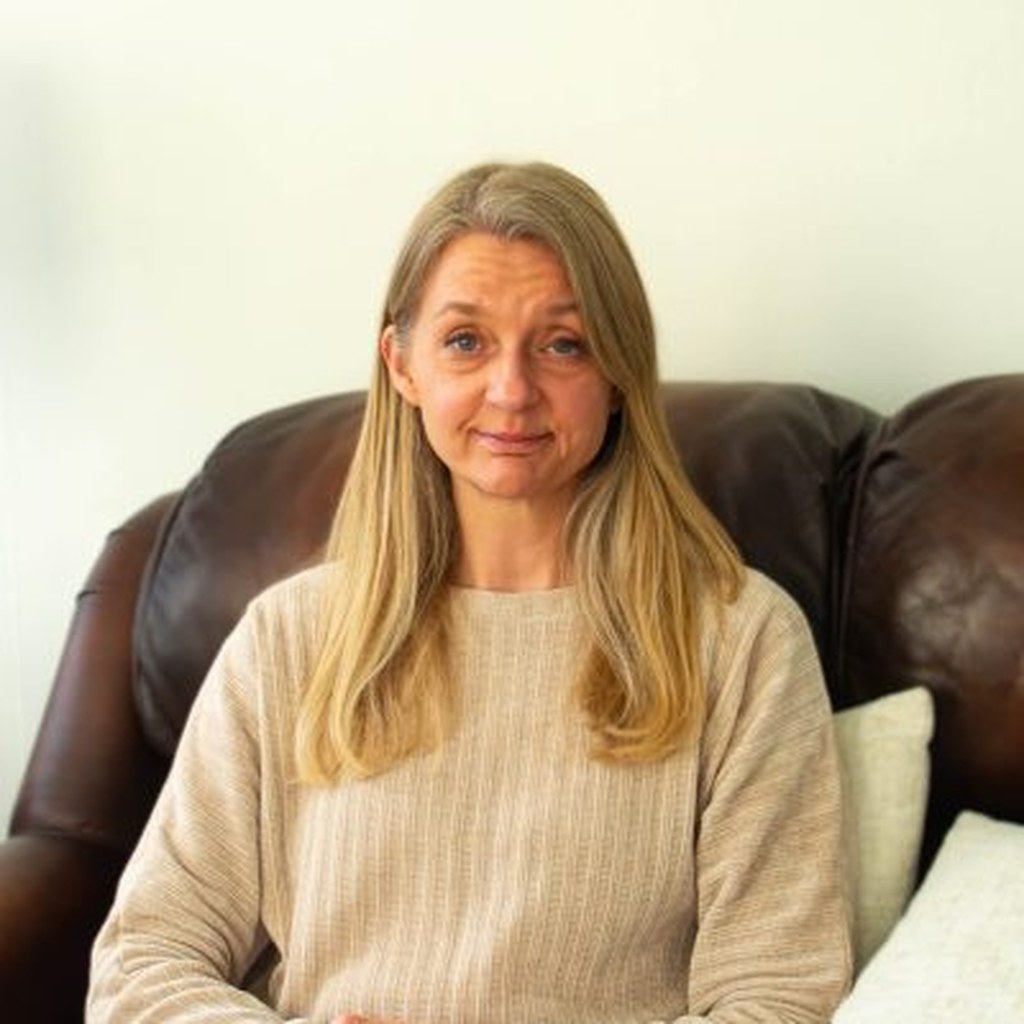
Jennifer Radomski
Student Therapist
Supports children, teens, and families with warm, developmentally responsive care.

Casey Behr
Licensed Professional Counselor Candidate
Supports trauma survivors, queer and questioning clients, and people healing from relational or developmental trauma.

Rachel Greear
Licensed Provisional Counselor Candidate
Supports adolescents and adults with anxiety, identity, relationships, school stress, and emotional growth.
WHAT TO EXPECT
A grounded process for starting childhood trauma-focused care
Starting childhood trauma-focused therapy does not require you to have everything figured out. The first step is a conversation about what you need, what feels difficult, and which therapist may be the right fit.
Start with a consultation
Use the free consultation to ask questions, share what brings you in, and see whether this support may fit.
Clarify the focus
Your therapist helps you identify goals, patterns, strengths, and the kind of support that feels useful.
Begin with support
Together, you build a steady process that can include insight, skills, practice, and reflection between sessions.
 Caitlin Nicola
Trustindex verifies that the original source of the review is Google.
Having worked closely with the team at Denver Mental Health Collective, I’ve seen how much care and intention goes into the work they do. The clinicians are thoughtful, collaborative, and deeply committed to supporting clients in a meaningful way. It’s a team that truly cares about showing up for the people they support.Jodi EscalanteAlex is an exceptional therapist who specializes in relationships and relationship trauma. He is incredibly insightful, articulate, and intelligent, and he has a remarkable ability to quickly understand complex dynamics and offer meaningful perspectives. I would highly recommend him to anyone looking for thoughtful, skilled support looking to heal from relationship challenges.Caroline AbateJamie is amazing and always helps me to detangle the mess in my brain. I always look forward to seeing her because she cares and wants to help. She is also incredibly quick to come up with thoughtful suggestions or responses. Thank you Jamie for always providing A+ service!Julieanna, PalaciosI have loved both of my therapists here. Currently working with Kaitlin and it’s been exactly what I need, I couldn’t be more impressed with how much I’ve grown since starting. Also the intake process and even transitioning process was super smooth and easy, everyone had been really kind and communicative. Love dmhc ????Shelby OsmondImpressed with the intentional and professional approach the new management has taken and making sure their clients are well taken care of.
Questions
Common questions about childhood trauma therapy.
What if my childhood was not "that bad"?
You do not have to compare your experience to anyone else. If it still affects you, it is worth caring for.
Can childhood trauma affect adult relationships?
Yes. Early experiences can shape trust, conflict, boundaries, attachment, communication, and the roles you take on in relationships.
Will I have to blame my family?
Therapy is not about forcing blame. It is about understanding what happened, how it affected you, and what you need now.
Can therapy help if I do not remember everything clearly?
Yes. You can work with present-day emotions, body responses, beliefs, and patterns without needing a perfect timeline.
Can childhood trauma therapy include parts work or EMDR?
Yes, when appropriate. Your therapist can discuss approaches that fit your needs, readiness, and goals.
How do I start?
A consultation can help you share what patterns you are noticing and explore whether one of our therapists feels like a good fit.
Related support
You may also be interested in
If this focus area is not the exact fit, these related services may also support your next step in therapy.
Individual Counseling
One-on-one support for anxiety, depression, trauma, identity, transitions, and stress.
Family Counseling
Support for families navigating communication, conflict, parenting stress, transitions, or repair.
Teen Therapy
Support for adolescents navigating emotions, identity, school stress, family dynamics, and mental health concerns.
EMDR Treatment
Structured support for trauma, distressing memories, anxiety, and experiences that feel hard to process.
You do not have to keep living from old survival patterns. Childhood trauma therapy can help you build more safety, choice, and self-compassion.