

Mindfulness-based therapy in Denver
Support for slowing down, noticing patterns, and building a steadier relationship with your thoughts and emotions.
Mindfulness-based therapy helps you pay attention to your inner experience with more clarity and less judgement. It can support anxiety, stress, depression, trauma responses, and emotional overwhelm by helping you create more space between what happens and how you respond.
Mindfulness-based therapy may help when you are navigating:
- Anxiety, rumination, or racing thoughts
- Stress, burnout, or nervous system activation
- Emotional overwhelm, reactivity, or shutdown
- Depression, self-criticism, trauma responses, or life transitions
Grounded present-moment care
A steadier way to notice what is happening inside.
Mindfulness-based therapy is not about emptying your mind or becoming calm on command. It is about learning how to notice thoughts, feelings, body sensations, and patterns with more steadiness.
When you can observe what is happening without immediately judging it or reacting to it, more choice becomes possible.
This approach can be especially helpful for clients who feel caught in worry, overwhelm, self-criticism, stress, or automatic reactions.
Common reasons people choose mindfulness-based therapy
You can learn to pause before old patterns take over.
Mindfulness-based therapy supports clients who want to feel more present, grounded, and aware in their daily lives and relationships.
Racing thoughts
Your mind feels busy, repetitive, or difficult to slow down.
Stress and burnout
Your body and mind feel constantly activated, depleted, or on edge.
Anxiety
Worry, panic, or anticipation pulls you away from the present moment.
Emotional reactivity
Feelings rise quickly and lead to reactions that do not match your intentions.
Shutdown or numbness
You disconnect, freeze, or feel far away from your emotions and body.
Self-criticism
Judgemental inner dialogue makes it hard to be patient with yourself.
Trauma responses
Present-day cues trigger old protective patterns or nervous system responses.
Life transitions
Change has made it harder to feel grounded, clear, or connected to yourself.
How therapy can help
Mindfulness helps create more room between experience and response.
A mindfulness-informed therapist can help you build awareness of thoughts, feelings, body sensations, and automatic reactions. With practice, you can begin responding with more choice instead of being pulled immediately into old patterns.
Notice the present
Build awareness of thoughts, feelings, body cues, and urges as they arise.
Soften judgement
Practise relating to your experience with more curiosity and less self-criticism.
Choose your response
Create space to respond in ways that align with your needs, values, and goals.
Our approach
Calm, embodied, compassionate support.
Mindfulness-based therapy at Denver Mental Health Collective may include grounding, breath awareness, body-based practices, values work, emotion regulation, and reflective conversation.
Your therapist will not ask you to force calm or bypass pain. Instead, the work supports presence, choice, and a more compassionate relationship with your inner experience.
Present-focused
Therapy helps you notice what is happening now, without losing the bigger context.
Body-aware
Mindfulness can include attention to nervous system cues, tension, breath, and grounding.
Nonjudgmental
The work supports curiosity and compassion instead of shame or criticism.
Integrated
Mindfulness can be combined with CBT, DBT, ACT, trauma-informed care, or relational therapy.
Meet Our Denver Mindfulness-Based Therapists
Our Denver therapists offer mindfulness-based support for anxiety, stress, burnout, depression, emotion regulation, trauma responses, and life transitions.
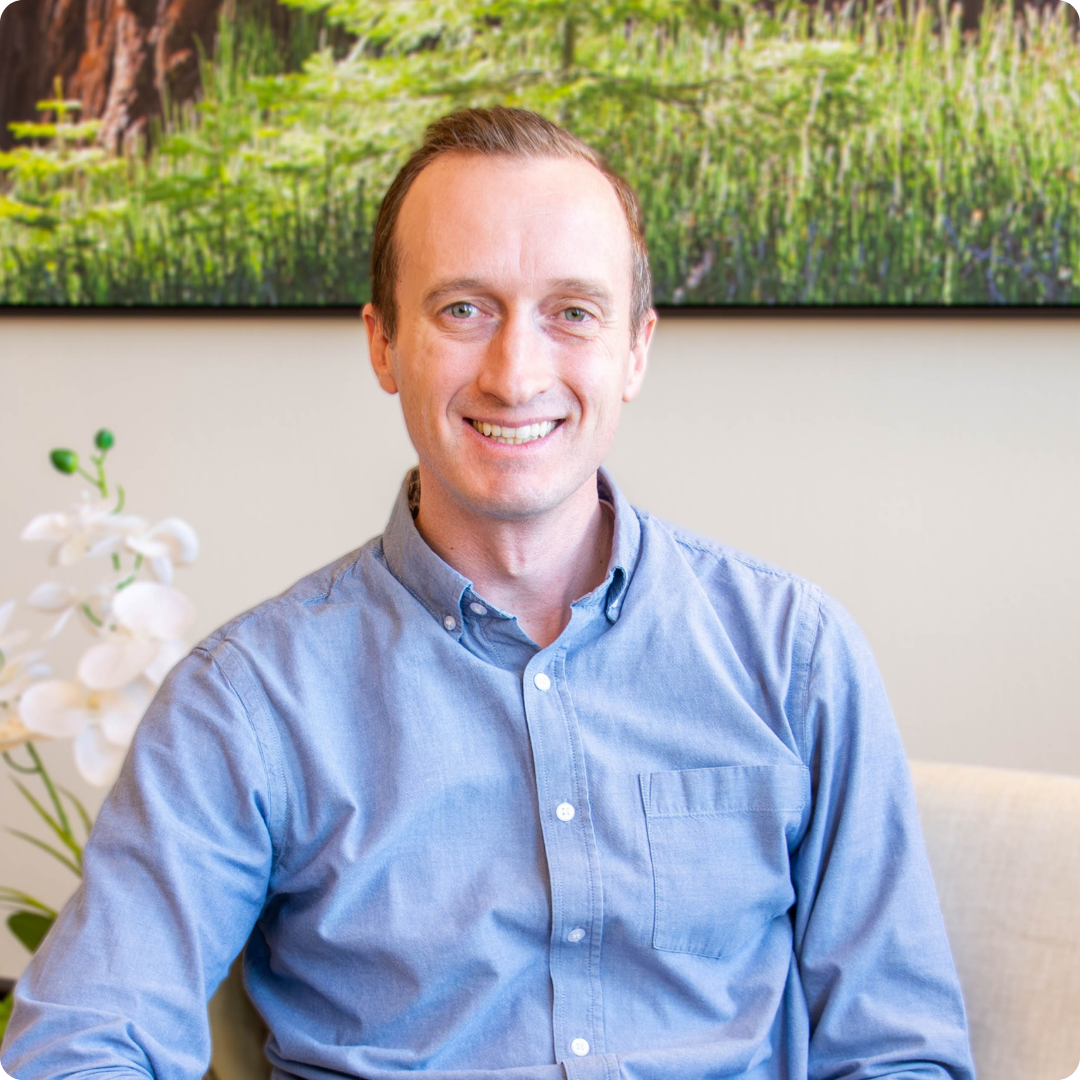
Alex Theobald
Parker Site Lead
Helps individuals and couples heal from infidelity and betrayal trauma, with additional support for OCD, anxiety, and more.

Amanda Giltz
Outpatient Therapist Candidate
Supports adolescents, adults, and older adults navigating burnout, anxiety, life transitions, relationships, and stress.

Benjamin Layman
Counseling student intern
Helps people make sense of their experiences while navigating anxiety, depression, grief, and life transitions.

Bennett Cordes
Counseling student intern
Offers a warm, supportive space for anxiety, ADHD, depression, self-esteem, and life transitions.

Casey Behr
Outpatient Therapist Candidate
Supports trauma survivors, queer and questioning clients, and people healing from relational or developmental trauma.

Cassia Hendrickson
Outpatient Therapist
Offers warm, trauma-informed support for anxiety, depression, attachment, grief, body image, and identity concerns.

Emma Taylor-Westwood
Counseling student intern
Helps adults build awareness and presence while working through anxiety, addiction, trauma, and depression.

Jamie Golden
Outpatient Therapist Candidate
I’m a Master’s-level therapist trainee here at Denver Mental Health Collective.

Jennifer Radomski
Counseling Student Intern
Offers a collaborative space to process uncertainty, find clarity, and move forward with more confidence.

Jesse Cooper-Whitney
Outpatient Therapist Candidate
Helps anxious people face life with more confidence while working through emotions, habits, and self-criticism.
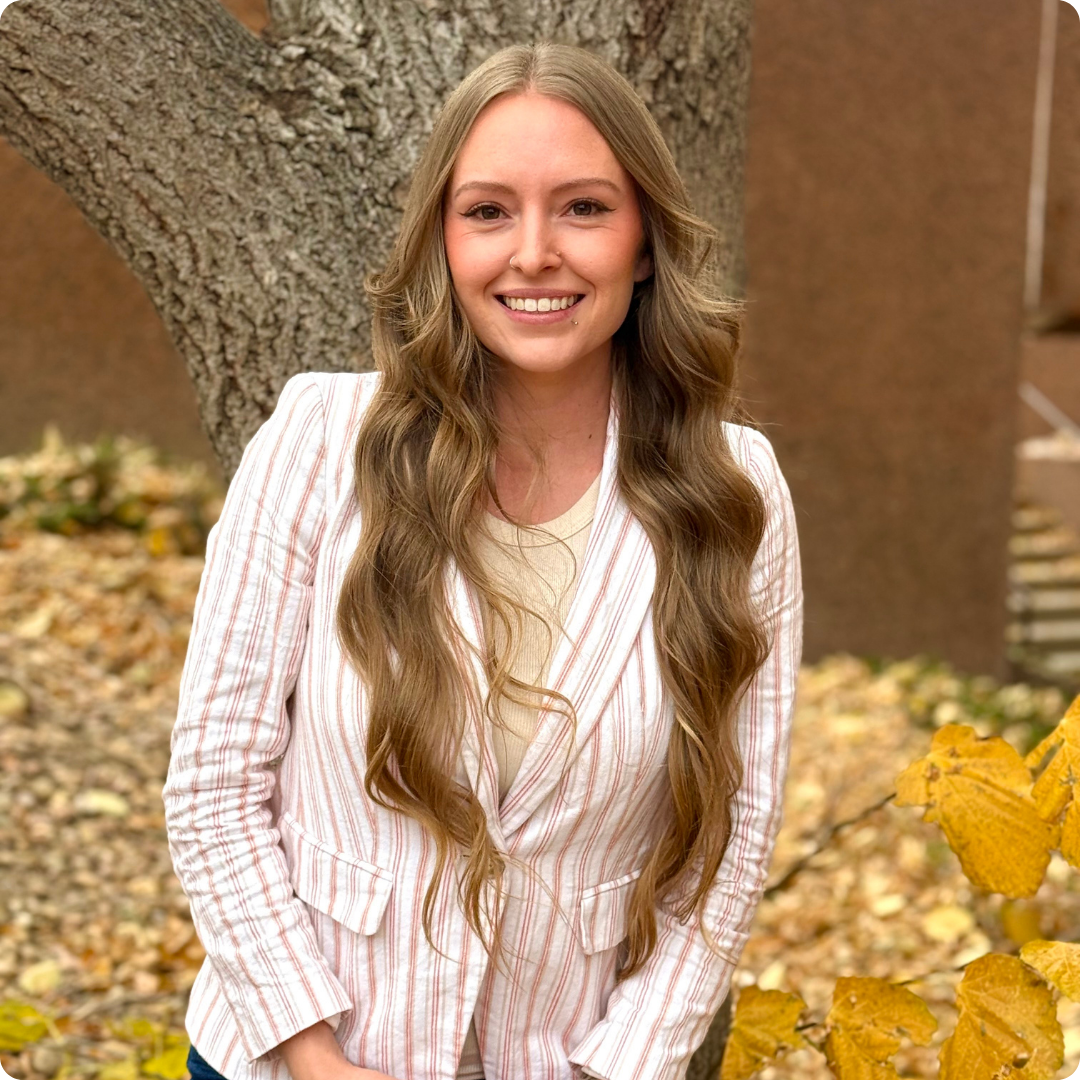
Karley Arguello
Outpatient Therapist
Helps adults feel less alone while working through anxiety, depression, relationships, and life transitions.
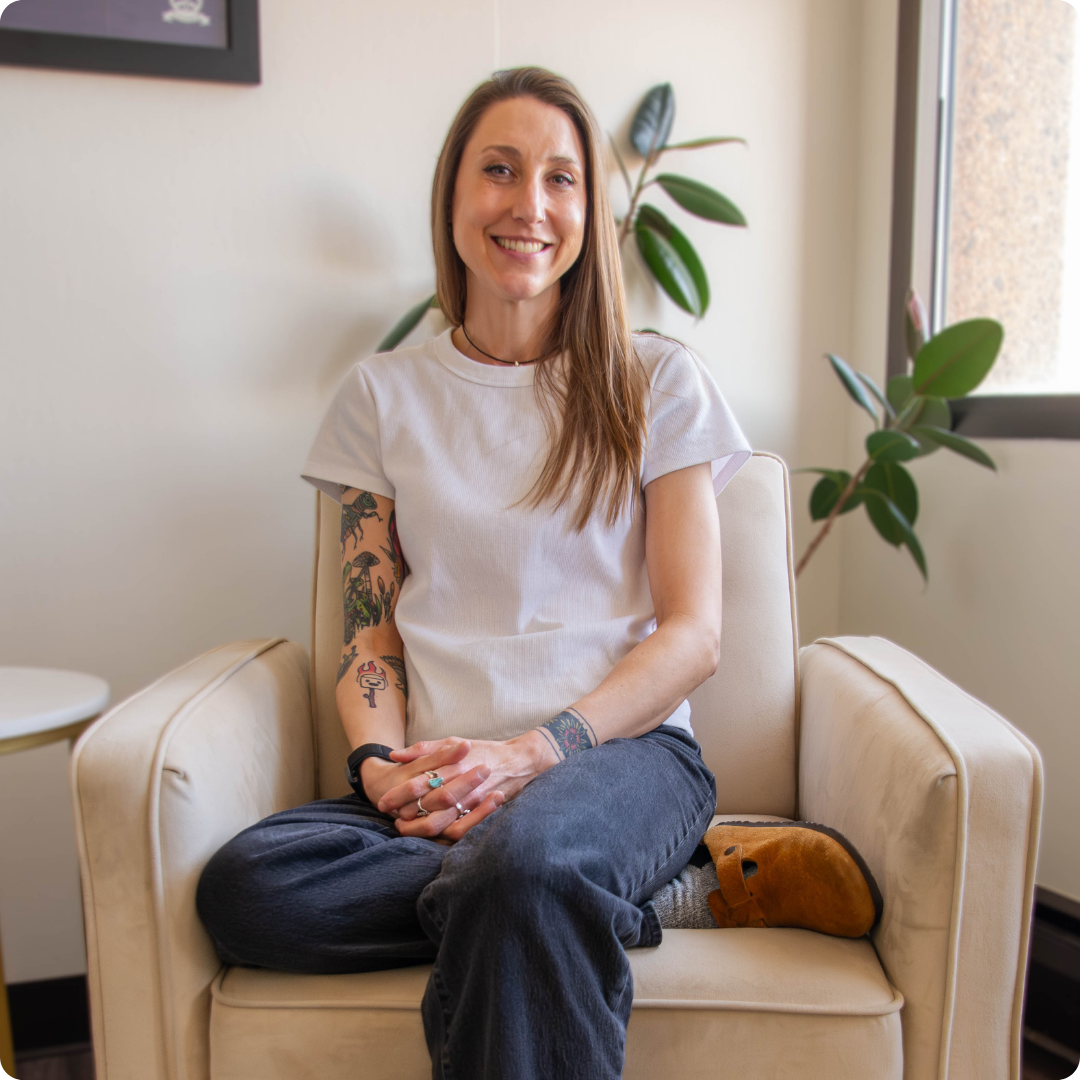
Kristi Aguilar
Lead Therapist
Therapist and eating disorder recovery advocate in Denver Mental Health Collective.
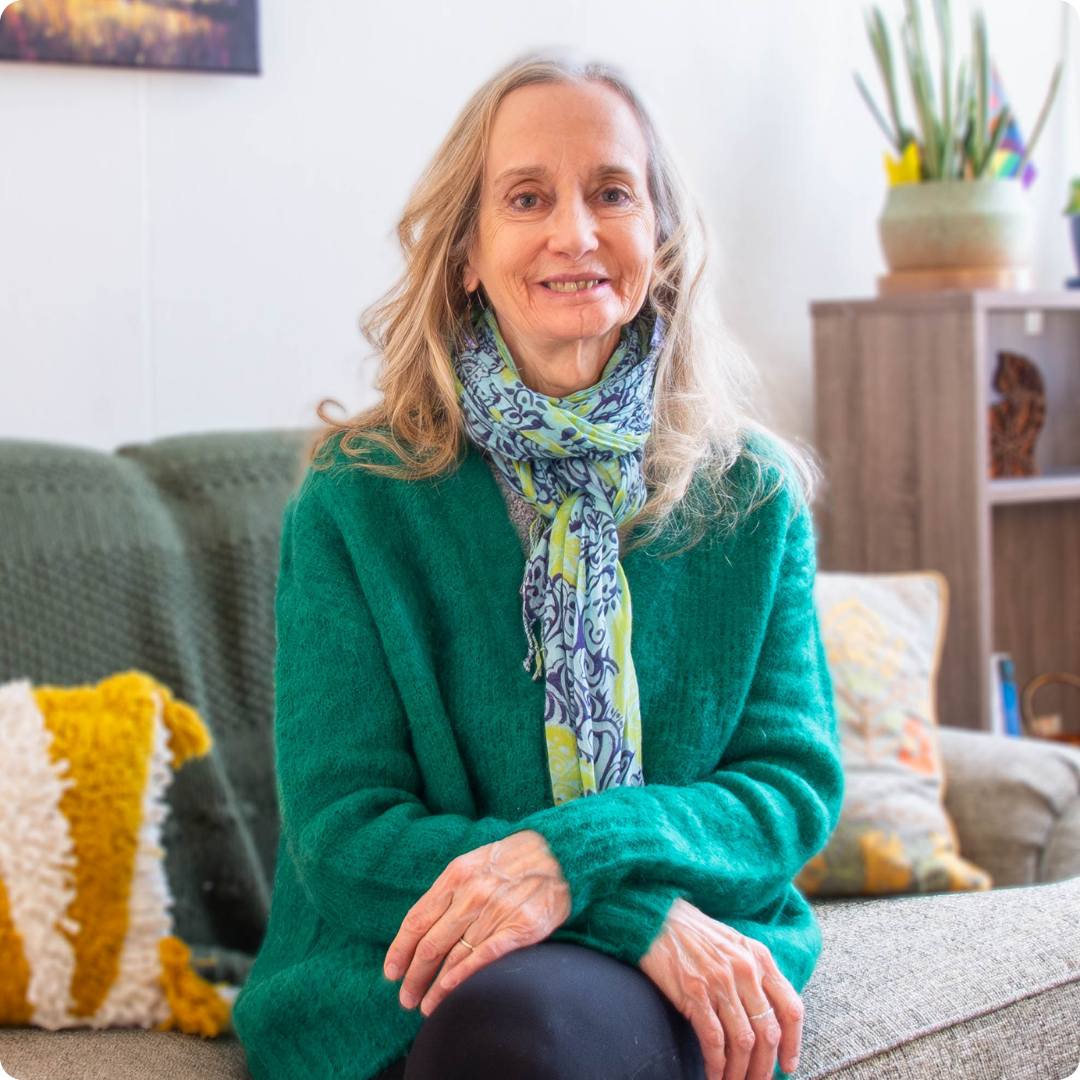
Lori Yacone
Licensed Professional Counselor Candidate
Supports clients with mindfulness, emotion regulation, communication, distress tolerance, and values-based change.
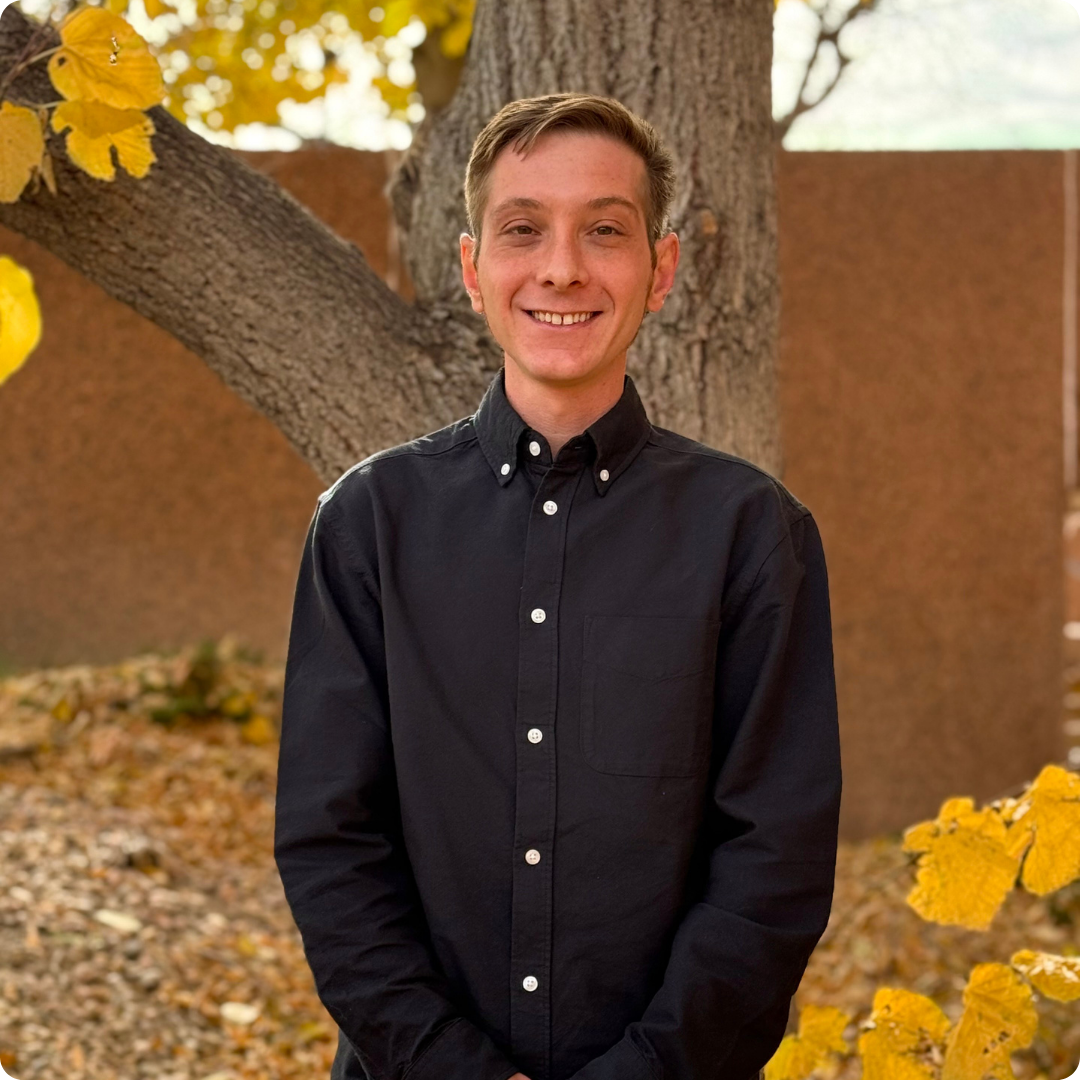
Sam Backer
Outpatient Therapist Candidate
Supports people experiencing trauma symptoms, anxiety, depression, homelessness-related stress, or major life transitions.

Sarah Peterson
Outpatient Therapist
Supports anxiety, depression, trauma, life transitions, and perinatal or postpartum experiences with trauma-informed care.

Sarah Thompson
Lead Therapist
Therapist at Denver Mental Health Collective. Creative Conductor, and Trauma Transformer.
WHAT TO EXPECT
A grounded process for starting Mindfulness-informed care
Starting Mindfulness-informed therapy does not require you to have everything figured out. The first step is a conversation about what you need, what feels difficult, and which therapist may be the right fit.
Start with a consultation
Use the free consultation to ask questions, share what brings you in, and see whether this approach may fit.
Clarify the focus
Your therapist helps you identify goals, patterns, strengths, and the kind of support that feels useful.
Begin with support
Together, you build a steady process that can include insight, skills, practice, and reflection between sessions.
 Caitlin Nicola
Trustindex verifies that the original source of the review is Google.
Having worked closely with the team at Denver Mental Health Collective, I’ve seen how much care and intention goes into the work they do. The clinicians are thoughtful, collaborative, and deeply committed to supporting clients in a meaningful way. It’s a team that truly cares about showing up for the people they support.Jodi EscalanteAlex is an exceptional therapist who specializes in relationships and relationship trauma. He is incredibly insightful, articulate, and intelligent, and he has a remarkable ability to quickly understand complex dynamics and offer meaningful perspectives. I would highly recommend him to anyone looking for thoughtful, skilled support looking to heal from relationship challenges.Caroline AbateJamie is amazing and always helps me to detangle the mess in my brain. I always look forward to seeing her because she cares and wants to help. She is also incredibly quick to come up with thoughtful suggestions or responses. Thank you Jamie for always providing A+ service!Julieanna, PalaciosI have loved both of my therapists here. Currently working with Kaitlin and it’s been exactly what I need, I couldn’t be more impressed with how much I’ve grown since starting. Also the intake process and even transitioning process was super smooth and easy, everyone had been really kind and communicative. Love dmhc ????Shelby OsmondImpressed with the intentional and professional approach the new management has taken and making sure their clients are well taken care of.
Questions
Common questions about mindfulness-based therapy.
Do I have to meditate to benefit from mindfulness-based therapy?
No. Meditation can be one tool, but mindfulness can also include grounding, body awareness, noticing thoughts, and practising present-moment awareness in everyday life.
What if mindfulness makes me more aware of discomfort?
That can happen, especially for trauma survivors. A therapist can help pace mindfulness carefully and use grounding so the work feels safe and manageable.
Can mindfulness help with anxiety?
Yes. Mindfulness can help you notice anxious thoughts and body sensations without immediately getting pulled into them.
Is mindfulness-based therapy spiritual?
It does not have to be. Mindfulness can be used as a practical therapeutic skill, regardless of spiritual or religious beliefs.
Can mindfulness be combined with other approaches?
Yes. It is often integrated with CBT, DBT, ACT, EMDR preparation, trauma-informed therapy, and relational work.
How do I know if this approach is right for me?
A consultation can help you explore whether mindfulness-based therapy fits your goals, comfort level, and support needs.
Related support
You may also be interested in
If this approach is not the exact fit, these related services may also support your next step in therapy.
Individual Counseling
One-on-one support for anxiety, depression, trauma, identity, transitions, and stress.
Family Counseling
Support for families navigating communication, conflict, parenting stress, transitions, or repair.
Teen Therapy
Support for adolescents navigating emotions, identity, school stress, family dynamics, and mental health concerns.
EMDR Treatment
Structured support for trauma, distressing memories, anxiety, and experiences that feel hard to process.
You do not have to move through life on autopilot. Mindfulness-based therapy can help you slow down, notice what is happening, and respond with more steadiness.